We know surprisingly little about how NGOs and asylum lawyers conduct research for asylum claims. To close this gap, Asylos interviewed 20 asylum lawyers and NGO staff in Belgium, France, Germany, Greece and the UK to understand the challenges of researching evidence, as well as the opportunities for improving the research process. Access the findings in our report
15/02/2017
Theme:
Publication type:
Keywords:
14/02/2017
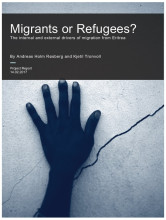
Eritrea has during the last decade become among the largest producers of refugees and asylum seekers in the world. The dominant narrative explaining this trend refers to the combination of a highly authoritarian and militarized state structure, an infinite and abusive national service program, and gross, widespread, and systematic human rights violations. This dominant narrative has however in recent years become increasingly challenged by those who argue that migration from Eritrea predominantly is driven by economic aspirations and that Eritreans really are fleeing a stagnant economy which deprives the citizens of a viable future.
This report, by Andreas Holm Røsberg and Kjetil Tronvoll, seeks to provide some clarity to this issue.
06/02/2017
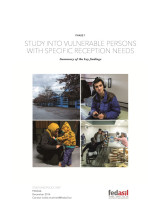
In 2015 the Study and Policy Unit from the Federal Agency for the Reception of Asylum Seekers, started with a study into vulnerable persons with specific reception needs. The first phase of this study has been completed.
01/02/2017
The European Commission’s Knowledge Centre on Migration and Demography (KCMD) published its first newsletter, with information on the KCMD, its recent activities and the Migration Data Catalogue and Dynamic Data Hub.
Theme:
Publication type:
01/02/2017
This paper reviews existing theoretical and empirical evidence on the economic effects of immigration in developing countries.
06/01/2017
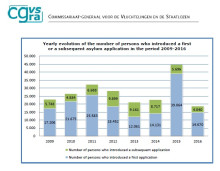
Le nombre de demandes d’asile introduites en Belgique en 2016 a diminué de plus de la moitié par rapport à l’année passée et le nombre de décisions prises par le CGRA a atteint un niveau record.
Theme:
Publication type:
Keywords:

01/01/2017
This report of the ‘Institute on Statelessness and Inclusion’ (ISI) explores the urgency of and opportunities for addressing childhood statelessness. Over 50 experts and organizations have contributed material – essays, interviews, photographs and more.