24/08/2022
In the context of migration, detention is permitted and regulated by a strict European legislative framework. Recognising the severity of the measure against the right to liberty and in order to enhance the safeguards for vulnerable persons, Member States rely increasingly on alternatives to detention. Alternatives to detention are often considered to be less resource-intensive, less intrusive for the individual, and more effective at reducing pressure on national detention systems, but their implementation comes with a series of challenges.
06/05/2022
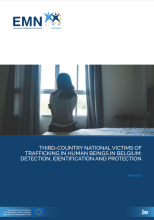
Trafficking in human beings is a crime against the victim’s fundamental rights. It can take several forms, such as sexual exploitation, forced labour or services, slavery and servitude-related practices, as well as the removal of organs. This practice is prohibited under numerous EU and international instruments. Yet, persistent demand for sexual services and for low-wage workers employed in manual jobs continues to provide opportunities for traffickers to exploit human beings.
Theme:
Publication type:
Keywords:

02/02/2022
How do Member States and Norway ensure the care and protection of children who arrive in their countries, and what measures are in place in relation to guardianship, education, access to justice, and more? This new report from the European Migration Network (EMN) provides an overview of the progress made during 2020 in the implementation of the recommendations laid out in the 2017 Communication on the protection of children in migration and is the second edition of a series of reports developed by the EMN.
Theme:
Publication type:
01/11/2005
What are the rights of third country nationals residing illegally in Belgium, including access to medical care, housing and social security? How numerous are they and which difficulties are theirs? This study responds to these questions and also examines measures taken to address such issues.
Theme:
Publication type:
Keywords:
31/05/2005
How did the reception system for asylum seekers develop in Belgium? What are its missions and responsibilities, its strengths and weaknesses? This study explores these questions and also looks in particular at the situation of applicants, including minors.